…no connections, no gear budget, no special skills. Where to sleep, how to stay warm and dry, how to eat, what to carry, which calls to make and what to say. Your first week: warmer, safer, spending less.
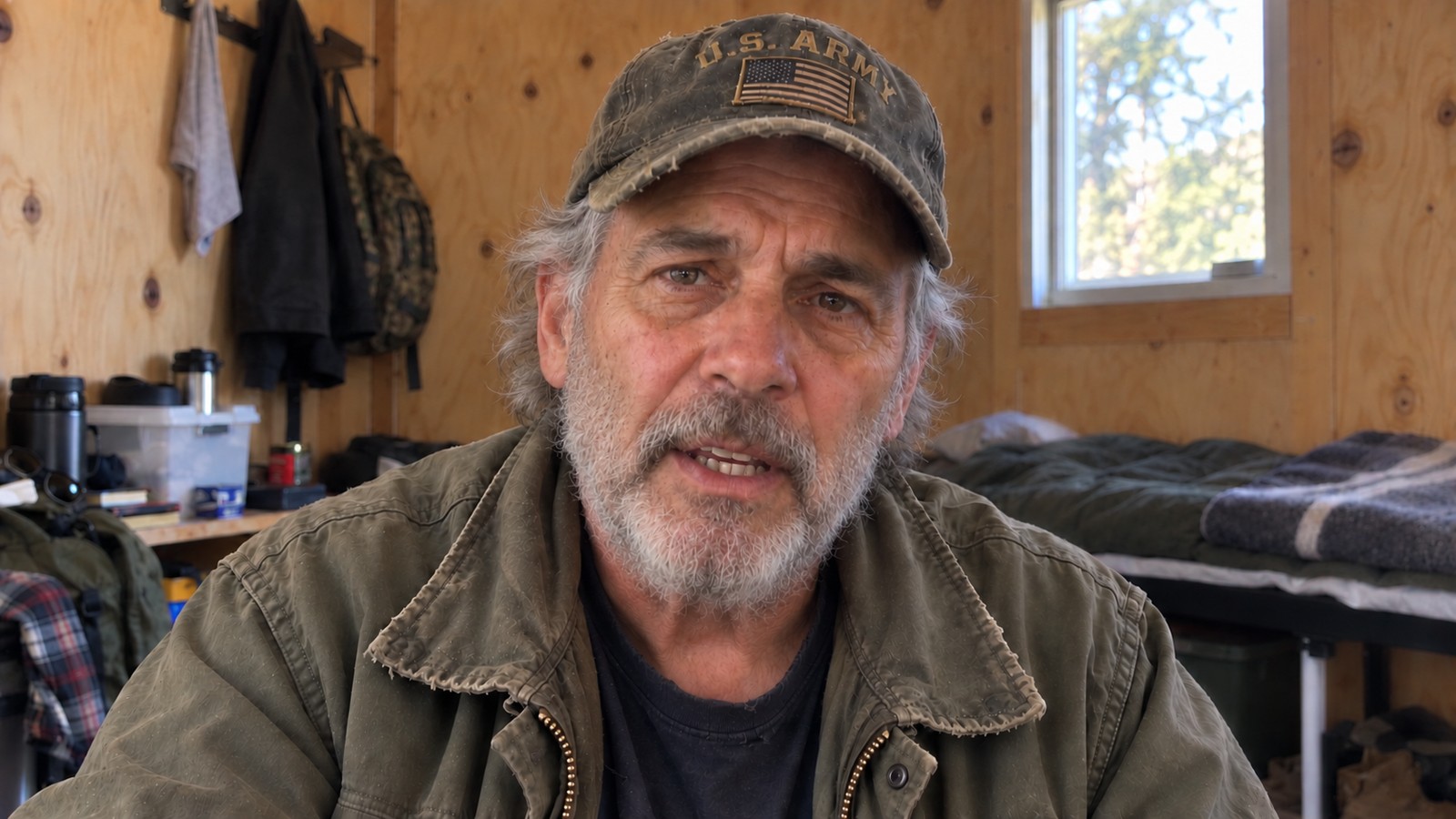
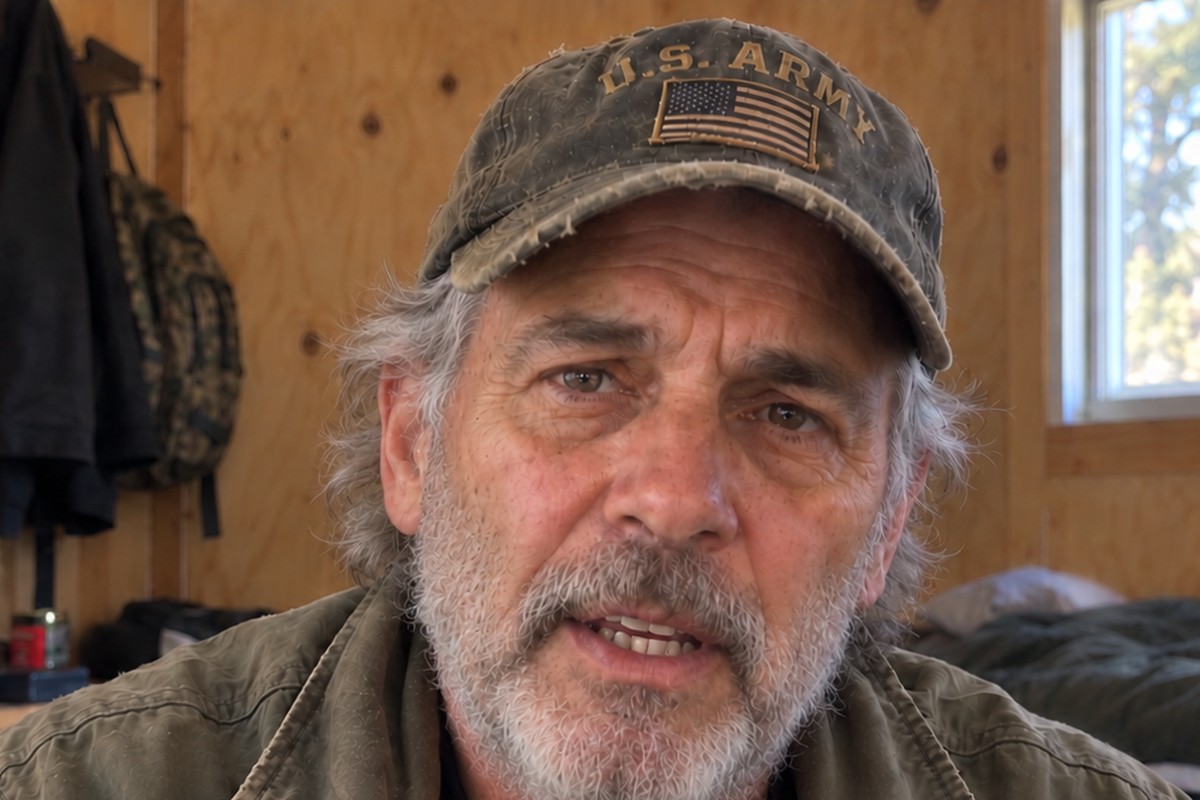
I'm Ray Calloway. I served eight years in the Army, and then I spent thirteen years without a home. This is a 245-page field guide of everything that kept me alive and a little less miserable: shelter and sleeping spots, cold and heat, food, water, safe storage, papers, phones, free services, VA help and the way out. Written in plain English, for veterans, seniors, parents in a car, and anyone one bill from the street. Plus a 7-day first-week plan you can start tonight.
Get The Blueprint
Seven days, a few small steps a day: safe spot, warmth, food, papers, calls. The things I wish somebody had handed me on the first night.

25 short chapters on sleeping, cold and heat, food, water, safety and stuff, each ending with what to do tonight.

VA programs, free services, papers and exact words to say on the phone. Rules change by state, so I tell you what to ask and how to confirm.
Eight parts, from the first night to the way out. Plain English, short paragraphs, big checklists.
Where to park, pitch or lie down, and how to tell a good spot from a bad one, before the sun goes down.
Layers, ground insulation, dry socks and the nights that call for a warming center instead. Never a flame in a tent or car.
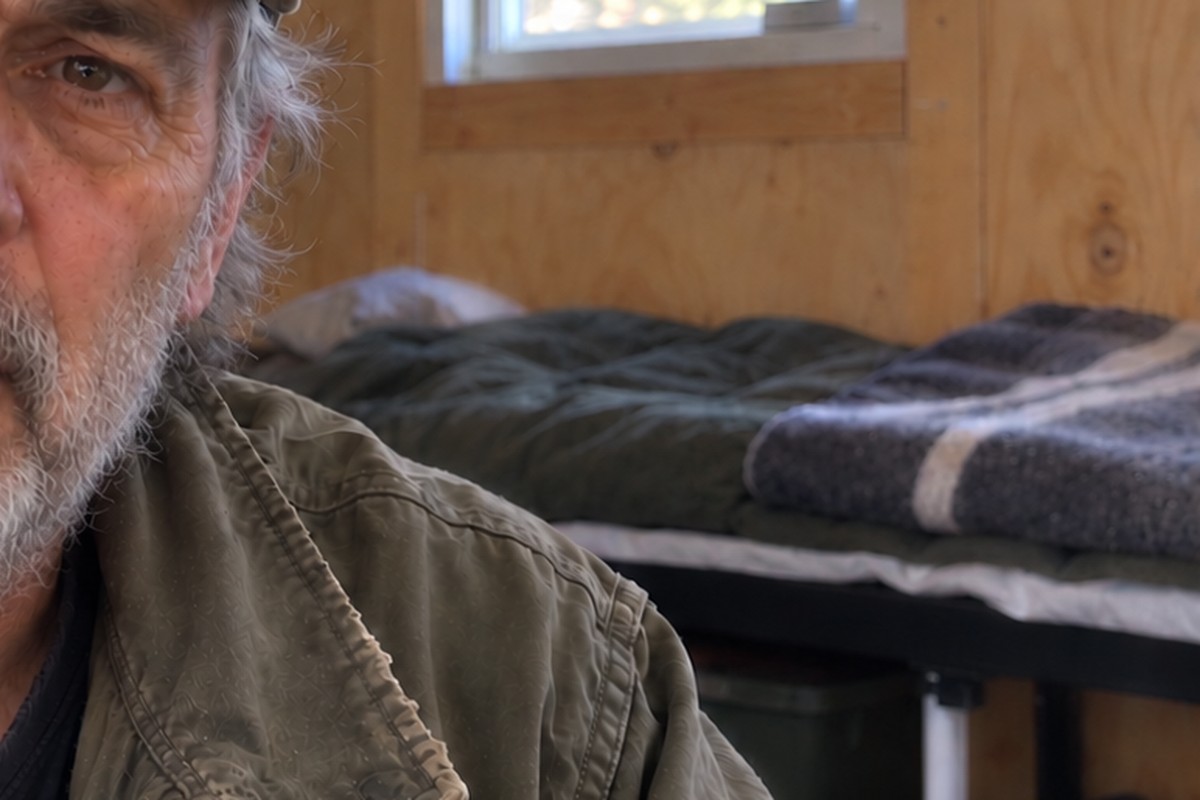
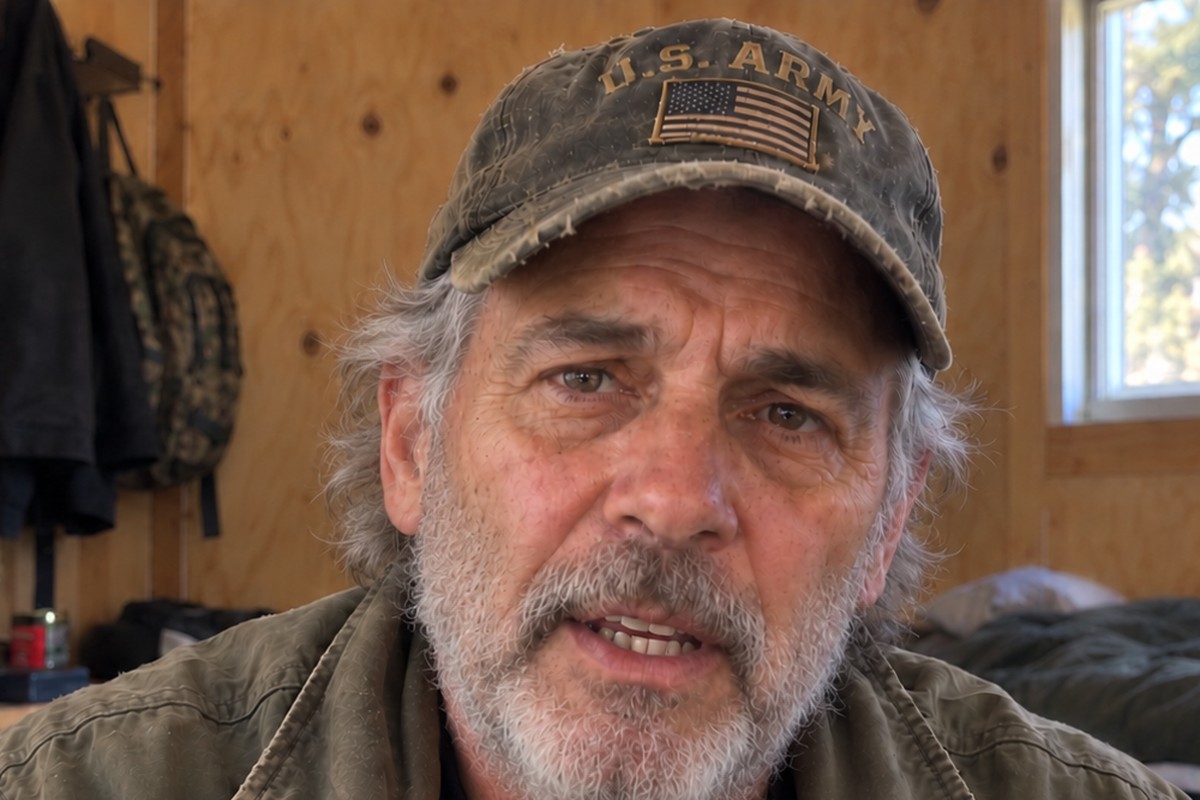
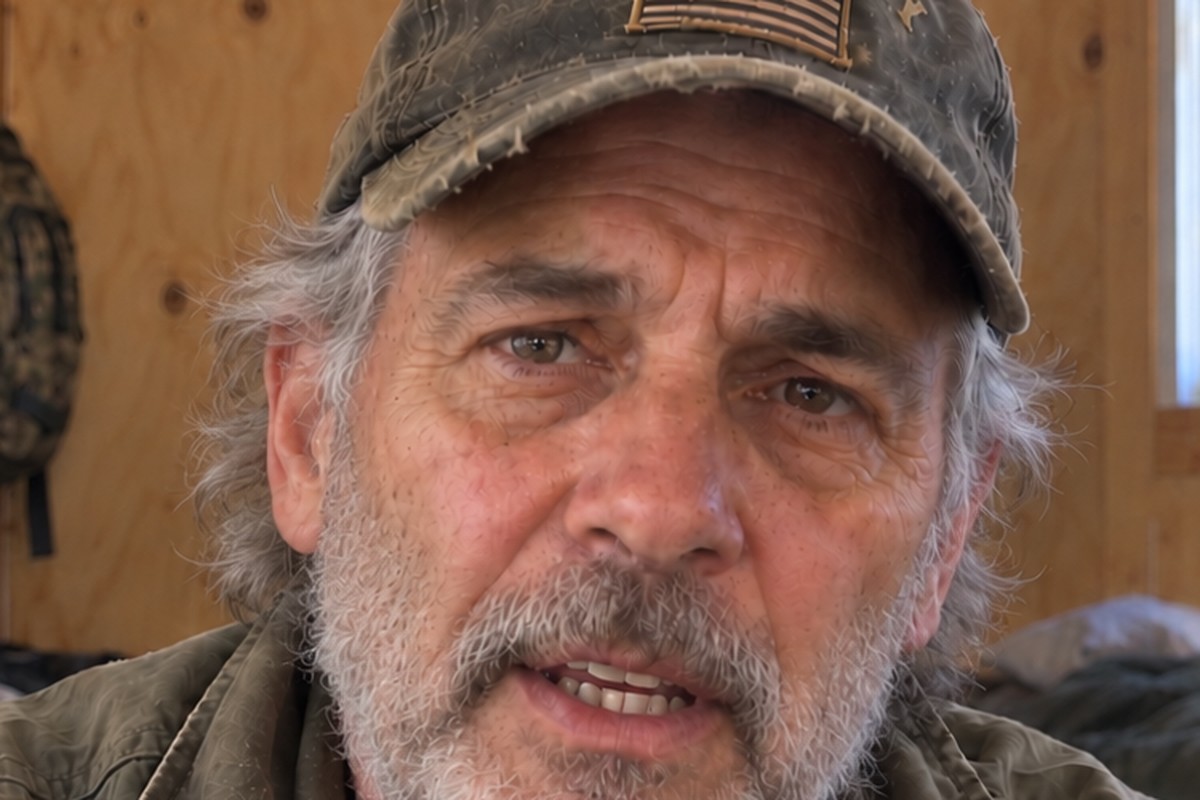
Ray CallowayThirteen years of mistakes and fixes, from a man who slept in cars, tents, shelters and under a bridge. No hype, no "secrets."
Where the free meals are, how to read a food pantry, and what to eat with no stove, no fridge and no money.
Your go-bag, your stuff, your money, and the scams that go after people with nowhere to go.
Replacing your ID and papers, keeping them dry, getting mail, charging a phone, and the one folder that opens every door.
The free services map, VA help, and word-for-word phone scripts for the calls that matter. Veterans and non-veterans both.
Seven days, a few small things each day, tied to the chapters. Honest about what a week can and cannot do.
Eight years in the Army. Thirteen years without a home. And why I finally wrote it all down.
I turned eighteen and joined the Army. Eight years, motor pool and then supply. I got out in 1989, drove trucks and worked warehouses for twenty years, paid my rent and thought that was what a life looked like.
Then in 2013 came a layoff, a few bad months, and one October I was sitting in my car in a parking lot with everything I owned in the back seat.

I ran the engine for heat with the windows cracked, which I now know is exactly the wrong thing to do. I slept wet. I ate wrong, and I trusted the wrong people with my phone and my papers.
The first winter was the worst. Almost everything I learned that year, I learned by getting it wrong first.

A shelter volunteer with a clipboard and extra socks. An old-timer who'd survived twenty-two winters outside. A VA outreach worker who knocked on tent flaps with coffee. "Dry feet, dry head." My old platoon sergeant said it first.
None of it was clever. All of it worked, and it cost almost nothing.

The first week, the nights, the food, the papers, the phone calls, and the way out. It's the book I wish I'd had in that parking lot.
I'm not a doctor or a lawyer, and I don't promise anything. I just tell you what worked, and who to ask. And if it's not for you, you have 14 days to get every cent back.

It's a 245-page guide you download and read on your phone, tablet or computer, or print out. Not a course, not a subscription.
It's written in plain English, in large, short paragraphs. No jargon, no lectures. Just what to do, step by step.
It opens with Your First Week. Then 25 chapters: shelter and sleep, cold and heat, food and water, gear and safety, papers, phones and services, VA help, and the way out. Every chapter ends with what to do tonight and a Keep It Safe box.
A plan for your first week: a safer place to sleep, a warmer and drier night, food that costs less, your papers in one folder, and the calls to make and the words to say.
It doesn't promise housing, benefits or any particular outcome. Rules, amounts and waiting lists change by state and year, so the book tells you what to ask and who to call to confirm.
No. One part is for veterans, with VA programs and the first calls to make. Another is for everyone else: older adults, parents sleeping in a car, anyone one bill from the street. The rest of the book is for everybody.
No. The book says plainly: never use a flame, stove or fuel heater in a tent, car or closed space, and never run a car engine for heat with the windows closed. In dangerous cold or heat the answer is a warming or cooling center, a shelter, 211 or 911.
Nothing in it asks you to break a rule or the law. I'm not a doctor or a lawyer, and the book says when to see one.
$27, once, until Sunday. No subscription. The price goes to $47 after that.
If it's not for you, message us on Whop within 14 days and the $27 comes back. No form, no questions.
Checkout takes about a minute. The book opens on the very next page and a copy lands in your email, so you can read it on your phone or print it. Payments run through Whop, a secure checkout, so we never see your card details.
One: keep guessing. Cold nights, wet gear, spending money you don't have on things that don't help, and no idea who to call.
Two: spend $27 once, read the first week tonight, and start making each night a little warmer, a little safer and a little cheaper.